
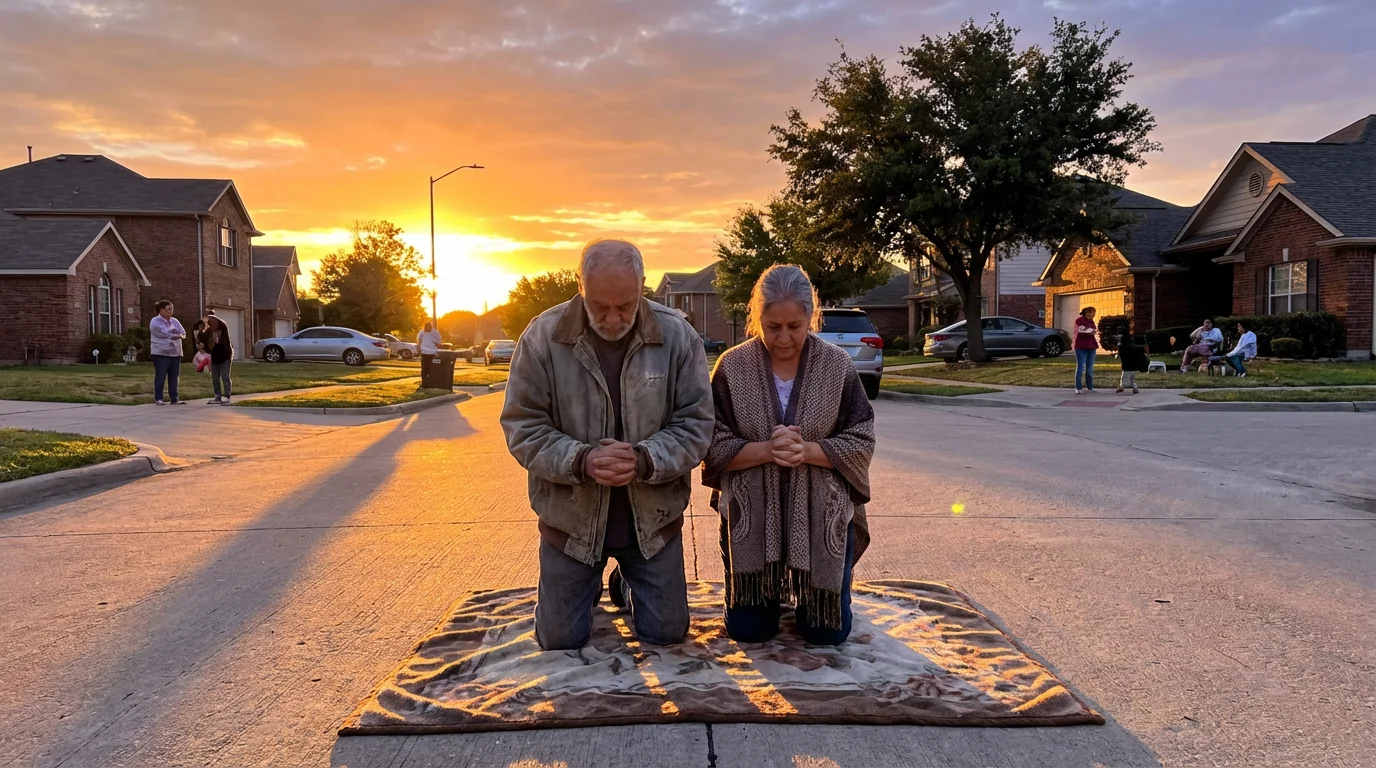
Early mornings often carry a holy hush. In that quiet, many leaders sense a nudge toward something new—church planting. If that’s stirring in you, take heart. God has always loved to begin fresh works in ordinary places through ordinary people. Church planting can feel like walking into uncharted streets, yet Scripture shows that the Spirit faithfully guides those willing to serve their neighbors with humility and patience. At its heart, church planting is the prayerful, Spirit-led work of forming a new worshiping community—one that gathers around the gospel, practices discipleship, serves its neighbors, and grows leaders for mission. We’ll consider how vision forms, teams grow, and rhythms of worship and service take shape. More than tactics, this is about abiding in Christ while learning the neighborhood’s language of hopes and hurts. Along the way, we’ll keep the tone gentle, grounded in Scripture, and practical for the next faithful step.
A quiet beginning that listens before it organizes
Every healthy start begins with listening—to the Lord in prayer and to the people who live where you hope to serve. Walk the streets at different hours. Notice the closed storefronts, the busy bus stops, the playground laughter, and the lonely corners. Ask residents and small business owners what feels heavy and what brings joy. Listening lowers assumptions and opens doors to friendship.
In prayer, bring a simple question: Lord, how are You already at work here, and how might we join? Scripture shows the Spirit shaping direction as the Church prays and fasts. Discernment rarely arrives as a headline; it often comes as a steady conviction confirmed by wise counsel, Scripture’s witness, and the needs of the place. Set a small rhythm—perhaps morning walks and brief intercessions—for thirty days, or start a prayer group in your community, and record what you notice.
What Scripture shows us when new communities take root
The unfolding story of the early Church is filled with ordinary steps, Spirit-led pivots, and patient discipleship. Consider how leaders trusted God’s timing, appointed teams, and taught people to follow Jesus in daily life. These patterns still guide planters today.
“While they were worshiping the Lord and fasting, the Holy Spirit said, ‘Set apart for me Barnabas and Saul for the work to which I have called them.’”– Acts 13:2 (ESV)
In Antioch, worship and fasting created room to hear God’s direction. Many planters find clarity as their sending church prays with them, not just for them.
“And the Lord added to their number day by day those who were being saved.”– Acts 2:47 (ESV)
Growth in Jerusalem came as believers devoted themselves to teaching, fellowship, shared meals, and prayer. These ordinary practices often come before visible growth—they create a rooted culture where people genuinely belong.
“I planted, Apollos watered, but God gave the growth.”– 1 Corinthians 3:6 (ESV)
Paul’s image is freeing. We steward faithful tasks—planting, watering, tending—while entrusting the harvest to God. This lifts the pressure to perform and frees us to simply be faithful.
From prayer to plan: forming a team and a simple vision
After a season of prayer and listening, write down a clear, short vision in everyday language. Name the neighborhood. Name the people you hope to serve. Describe how the gospel will show up through hospitality, discipleship, and mercy. Then test this vision with mentors and local friends who will tell you the truth.
Build a core team slowly. Look for character before talent, guided by church leadership for today’s congregations, teachability before expertise, and compassion before charisma. Share roles that fit people’s gifts—hospitality for gatherers, kids ministry for patient teachers, administration for organizers, worship for musicians who are pastorally minded. Agree on rhythms that form hearts: weekly prayer, monthly fasting, Scripture study, and regular meals with neighbors.

Church Planting in practice: gatherings, discipleship, and serving the neighborhood
Start small and stable. A living room gathering, a community-center circle, or a borrowed café at off-hours can work well. Aim for clear Scripture teaching, warm prayer, and simple songs. Keep language accessible for those new to faith. Craft a kids plan that is safe, joyful, and gospel-centered.
Shape discipleship for everyday life. Offer a few reproducible practices: reading a Gospel together over eight weeks, or start a Bible study group with care, practicing shared prayer in pairs, and serving the same local space regularly (a school, shelter, or apartment complex). Sustainability matters; match commitments to your team’s capacity so hearts stay refreshed rather than frayed.
Resilience for the long road when progress feels slow
Church planting rarely unfolds in straight lines. There will be Sundays when two people come and others when every chair is taken. Measure faithfulness as much as fruit, focusing on church growth for today’s congregations practices. Keep Sabbath. Celebrate small milestones: a neighbor asking for prayer, a volunteer growing in confidence, a child memorizing a verse.
When discouragement visits, return to the promises you already know are true. Jesus’ words steady the soul: the Good Shepherd knows His sheep, and the Father’s kingdom is like a seed that grows quietly. Seek peer support with a few planters who understand the unique mix of hope and fatigue you carry. Pray for one another without comparison.
Practical steps that often help more than we expect
Create repeatable rhythms. A monthly neighborhood meal, a weekly prayer walk, and a quarterly service project can anchor your calendar and invite participation. Keep the format simple enough for others to lead over time.
Did this encourage you?
We send short, honest encouragement straight to your inbox — never spam, always free.
Additionally, track stories, not just numbers. Note how a teen found belonging, how a neighbor showed up to help set chairs, or how a new believer learned to pray out loud. Stories help the team see God’s quiet fingerprints. Another approach is to adopt a nearby mentor church for shared training and periodic pulpit exchanges to bless both communities.
Related: Character Study: Joshua for Everyday Courage: Walking into God’s Promises with Steady Faith · The ACTS Prayer Method: A Simple Way to Pray When You Don’t Know Where to Start · Teaching Kids Prayer for Everyday Moments: Simple Ways to Walk with God
Questions readers often ask when considering a new start
Here are honest answers to questions that come up often in the early stages.
How do I know when it’s time to begin public gatherings?
Look for a few converging signs: a praying core team with shared vision, a suitable meeting space that fits your scale, a basic kids plan, and a sustainable rhythm for the next three months. Seek confirmation from sending leaders, then begin with a soft launch to learn and adjust.
What if our plant grows slowly or we face setbacks?
Slow growth is common. Return to prayer, tighten your focus, and invest in relationships. Reassess your meeting time and location, clarify your communication, and ask the neighborhood what would serve them well. Remember Paul’s words about planting and watering while God gives growth.
How can bivocational planting work without burning out?
Keep ministry simple and relational. Schedule rest with intention, share leadership early, and set clear boundaries for work and church hours. Choose a meeting time that complements your occupation, and cultivate a small team of pastoral caregivers who can share visitation and prayer.
A short prayer for planters and sending churches
Gracious Father, thank You for loving every street and every family more than we can fathom. By Your Spirit, steady our hearts and give us wisdom to serve neighbors with gentleness and truth. Shape our vision so it matches Your compassion. Guard our unity, and make our homes places of warm welcome.
Lord Jesus, Shepherd of the flock, teach us to hear Your voice and to follow where You lead. Strengthen the weary, encourage the discouraged, and give holy patience when progress is slow. Provide what is needed—people, space, and daily bread—and fill us with joy in the work. May our words and actions point to Your cross and resurrection hope. Amen.
Before we close, may we consider one gentle question together?
What is one small, concrete step you could take this week—such as a prayer walk, a listening conversation with a neighbor, or a shared meal—that would help your community move one step closer to a gospel-shaped gathering?
If this resonates with your heart, take one step this week: invite a friend to pray for your neighborhood and walk a single street together, asking Jesus to show you where love can quietly take root. As you go, may the Spirit give you courage, patience, and the joy of seeing seeds of grace begin to grow.


If this blessed your heart, it might bless someone else too. Share it with someone who needs encouragement today.
Did this encourage you?
We send short, honest encouragement straight to your inbox — never spam, always free.

Leah Morrison


