
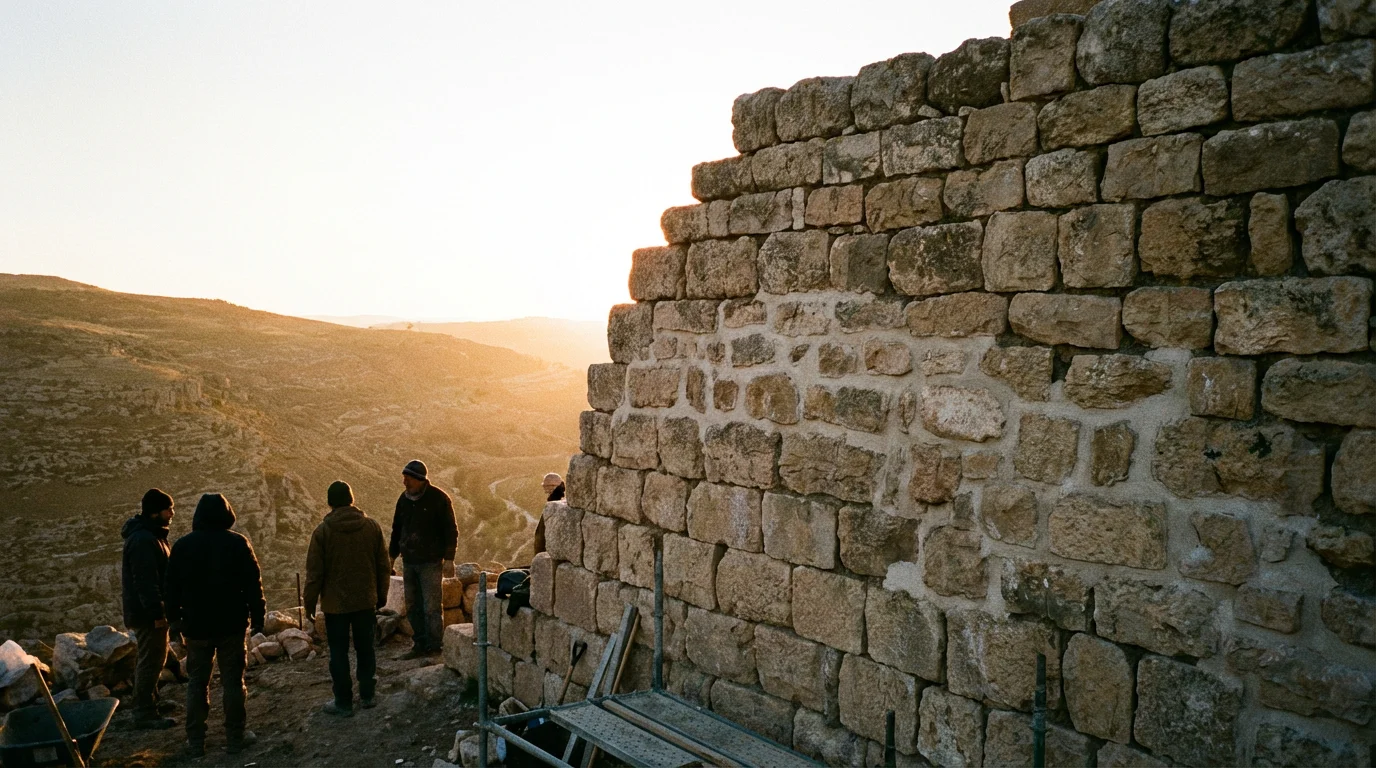
Before dawn, a city stirs. Stones long scattered begin to find their place again. That is the feel of the book of Nehemiah—quiet resolve meeting God’s steady help. In this Bible Study Overview: Nehemiah, we’ll trace how a cupbearer in exile became a servant-leader who rebuilt walls and renewed hearts through prayer, planning, and perseverance. Nehemiah shows us how faith and practical action can live side by side. This overview offers a clear, approachable path through the book’s story, structure, and themes. Plain definition: Nehemiah is an Old Testament book about God using an ordinary leader to rebuild Jerusalem’s walls and restore the community’s worship after exile, highlighting prayerful leadership, teamwork, repentance, and faithful endurance.
A humble beginning where prayer meets a burden
Nehemiah’s story starts not on a construction site but in a quiet room where news breaks his heart. Hearing that Jerusalem’s walls are in ruins, he sits, weeps, fasts, and prays. His first response is not a blueprint but confession and intercession. In everyday life, this looks like pausing before we fix, naming what is broken, and bringing it into God’s presence.
He then steps into risk. As cupbearer to the Persian king, Nehemiah asks for permission, letters of safe passage, and resources. Planning is not treated as a rival to trust; it is trust put to work. We see a pattern that still helps: pray honestly, plan wisely, and act courageously, all while listening for God’s timing and care.
Walking through the story one steady chapter at a time
Chapters 1–2: Nehemiah prays, confesses, and asks the king for help. Arriving in Jerusalem, he surveys the ruins by night—a leader learning the land before rallying people. He invites the community to join the work, framing it as God’s good hand at work.
Chapters 3–4: Families and guilds rebuild side by side. Opposition rises—mockery, threats, and fatigue. The people watch and work, holding tools in one hand and readiness in the other. Nehemiah prays and stations guards, embodying perseverance anchored in prayer.
Chapters 5–6: Internal injustice threatens the mission. Nehemiah confronts exploitation among his own people and models integrity by refusing personal gain. External plots continue, yet the wall is finished in fifty-two days. Courage requires both justice within and steadfastness without.
Chapters 7–13: The rebuilt walls make way for a rebuilt community. Ezra reads the Law, see our Character Study: Ezra for Today; the people weep, then rejoice; confession and covenant renewal follow. Practical reforms keep worship central. The book closes with ongoing vigilance—renewal is not a moment but a way of life.

Reflecting on Scripture together as we rebuild
Nehemiah’s prayers and choices are anchored in Scripture’s larger story. Consider these passages as windows into the book’s heart and as guides for our own seasons of rebuilding.
“I sat down and wept and mourned for days, and I continued fasting and praying before the God of heaven.”– Nehemiah 1:4 (ESV)
His first movement is toward God. Tender honesty precedes any solution, showing us that lament can be faithful leadership.
“The God of heaven will make us prosper, and we his servants will arise and build.”– Nehemiah 2:20 (ESV)
Nehemiah names God’s initiative and the people’s responsibility. Trust and effort are friends.
“So we built the wall… for the people had a mind to work.”– Nehemiah 4:6 (ESV)
Shared resolve matters. Unity is not loud; it is a steady agreement to keep going together despite strain.
“Do not be grieved, for the joy of the Lord is your strength.”– Nehemiah 8:10 (ESV)
After the Law is read, sorrow gives way to deep joy. God’s joy strengthens us to practice obedience with hope, not heaviness, see our Haggai for Today’s Disciples.
Why study Nehemiah now?
You may know the feeling—standing amid personal, family, or church ruins and wondering where to begin, read our Zechariah for Today’s Hopeful Waiting. This study offers a map: start with prayer, embrace honest assessment, gather companions, and take the next right step. God meets us in the dust and shows us how to put faith back into motion.
We also learn that renewal is wider than projects. Nehemiah fights for justice within the community, protects the vulnerable, and refuses perks. The book challenges our leadership instincts toward humility, repentance, and service. In workplaces, neighborhoods, and congregations, this pattern still builds what lasts.
What Nehemiah teaches about leadership, opposition, and community care
Leadership: Nehemiah models a servant’s posture. He prays before speaking, listens before directing, and credits God before taking a bow. He plans thoroughly without pretending to control outcomes. Whether you lead in a boardroom or around a kitchen table, that blend of dependence and diligence still holds.
For more background, see when the Bible was written.
Opposition: The resistance is psychological, political, and spiritual. Taunts, rumors, and fear are met with prayer and practical defense. We learn to neither panic nor dismiss threats, but to keep building with courage and humility.
Community care: Chapter 5’s reforms reveal that spiritual renewal includes economic justice. Worship and ethics walk together. Shared life with God touches wages, debt, and dignity. In our contexts, this could mean fair dealing, generous lending, and attention to those on the margins.
How do I balance prayer and planning like Nehemiah?
Nehemiah’s pattern is cyclical: pray, plan, act, pray again. Begin with a specific request, gather facts, sketch a simple plan, invite trusted voices, and hold your plan open before God. Let prayer shape motives and timing; let planning steward the opportunities that follow.
What should I do when discouragement or opposition rises?
Name it in prayer, as Nehemiah does. Then take concrete steps: adjust workloads, add accountability, recruit helpers, and keep a visible reminder of the goal. Encourage your team with small milestones. Remember that faithful work often meets resistance, yet God’s presence anchors weary hearts.
Putting this book into practice in ordinary days
Start small with one broken place. It could be a strained conversation, a neglected habit of prayer, or a ministry on pause. Offer it to God, ask for wisdom, and outline the first two steps. Share your plan with one trusted friend for encouragement and perspective.
Alongside that, cultivate a rhythm of Scripture and joy. Read Nehemiah alongside a psalm of praise during the same week. When conviction arises, pair confession with celebration of God’s mercy. Joy is not denial; it is strength for the long work ahead.
Better yet, build together. Invite a few people to read Nehemiah over two weeks. Assign chapters, meet briefly, and pray for one another’s “sections of the wall.” Mutual care turns solitary effort into shared courage.
And attend to justice. Look at where your influence can relieve pressure for others—fair pay, patient listening, transparent processes. Integrity is not an accessory to faith; it is faith’s everyday clothing.
A heartfelt prayer for courage and renewal
God of heaven, You see every broken stone and every tired hand. We bring to You the ruins we carry—homes that need healing, communities that need peace, and hearts that need rest. Teach us to begin with prayer, to confess honestly, and to trust Your steady care.
Grant wisdom to plan well and humility to serve quietly. Where fear whispers, speak courage. Where conflict arises, sow gentleness and truth. Protect those who build, and guard the vulnerable. Give us clean motives, patient endurance, and joy that strengthens us on hard days.
Like Nehemiah, help us work shoulder to shoulder, honoring each person’s part. Keep our worship sincere and our lives just. May Your good hand be upon us as we repair what is broken and rejoice in Your faithful love. Amen.
What part of the wall is yours to take up today?
When you think about your week, where do you sense a nudge to begin—one conversation, one act of integrity, one moment of prayer before planning? What step could you take in the next 24 hours, and who might stand alongside you as you do?
If this overview stirred a desire to rebuild, choose one small section of your “wall” this week. Pray Nehemiah 1:4 in your own words, write two first steps, and invite one person to pray with you. May God’s good hand steady you as you begin.
Related: The ACTS Prayer Method: A Simple Way to Pray When You Don’t Know Where to Start · Bible Verses About Laziness: What Scripture Teaches About Hard Work and Diligence · Bible Verses for Hope in Hard Times: Steady Light for Weary Hearts


If this blessed your heart, it might bless someone else too. Share it with someone who needs encouragement today.
Start Your Free 7-Day Plan
7 Days for the New Believer — one short devotional each day, delivered to your inbox.

Daniel Whitaker


